Discussions regarding digital opportunities for older adults in rural communities almost always focus on what is missing. In fact, results published this Fall by the Pew Research Center indicate lower adoption rates, limited broadband infrastructure, and unfamiliarity with current applications.
This traditional deficit model treats senior citizens primarily as vulnerable and technologically impaired. These individuals need to be "brought up to speed," which is a problem to be solved. What if we flipped the script?
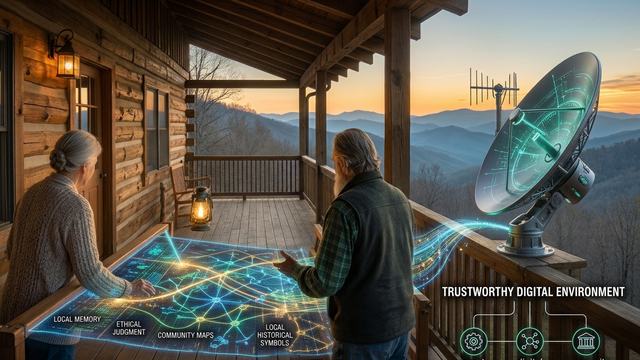
An asset based approach would recognize that older adults bring invaluable life experience, ethical judgment, contextual reasoning, and deep community roots to the digital table. Rather than viewing seniors merely as laggards in need of technical support, could we not view them as essential collaborators?
These are in fact the very citizens who can shape a more thoughtful, trustworthy, and human centered digital environment. Frameworks across Human-Computer Interaction (HCI), gerontology, and community development offer a roadmap for shifting our perspective.
Older adults do not simply reject technology out of fear or a lack of ability. They evaluate it with healthy skepticism. Research in HCI demonstrates that seniors prioritize privacy, data transparency, and genuine utility over novel digital trends. When invited to participate in software design, including digital health applications, financial management platforms, and online safety tools, seniors act as stress testers. The goal being that online systems are intuitive, secure, and resilient.
Asset Based Community Development (ABCD) viewpoints emphasize that older adults possess accumulated social capital and local knowledge. While younger generations may possess skill in navigating and using specific tools, older adults can contribute qualitative judgment. This encompasses, but is not limited to evaluating the credibility of information, preserving community history, and fostering civic cohesion.
Deploying technology that considers the preferences of older adults, such as clear privacy controls, low friction authentication, and accessible interfaces, will make the internet safer and more usable for everyone. Enabling digital self efficacy builds overall resilience, empowering older adults to remain active stewards of civic life. To operationalize an asset based model, one of the most common components in a digital opportunity strategy, digital navigation, must be re-evaluated.
Typically digital navigators, often embedded in community colleges, public libraries, and senior centers, are seen as one way tutors who teach basic operational skills. However, when designed around asset based principles, digital navigation could become a collaborative exchange that elevates senior contributions. This activity is community members authentically working together to discover solutions.
- Seniors as Peer Mentors: Experienced older adults can be trained as digital navigators themselves. Peer led navigation breaks down technology anxiety through shared life context, fostering trust and mutual support among older community members.
- Auditing Digital Trust and Misinformation: Older adults can lead community workshops evaluating online news credibility, phishing risks, and algorithmic bias. Their lived experience makes them potentially ideal leaders for community cybersecurity and media literacy initiatives.
- Collaborating to Create Local Digital Archives and Public Resources: Digital navigators can assist rural seniors in capturing local histories, oral storytelling, and community documentation, transforming offline heritage into online assets for future generations.
- Feedback Loops for Public Services: As essential healthcare, banking, and government services shift online, older adults serving in advisory groups can provide critical feedback to service providers, identifying flaws and ensuring that critical systems remain accessible to all users.
Closing the digital divide in rural communities means more than laying fiber optic cable or distributing tablets. It requires acknowledging that older adults are not a problem to be solved, but rather a resource to be engaged. By fostering digital navigation programs that honor senior wisdom, prioritize collaboration, and facilitate two way learning, we can build a digital ecosystem grounded in trust, sound judgment, and genuine human connection.