The Canning Process
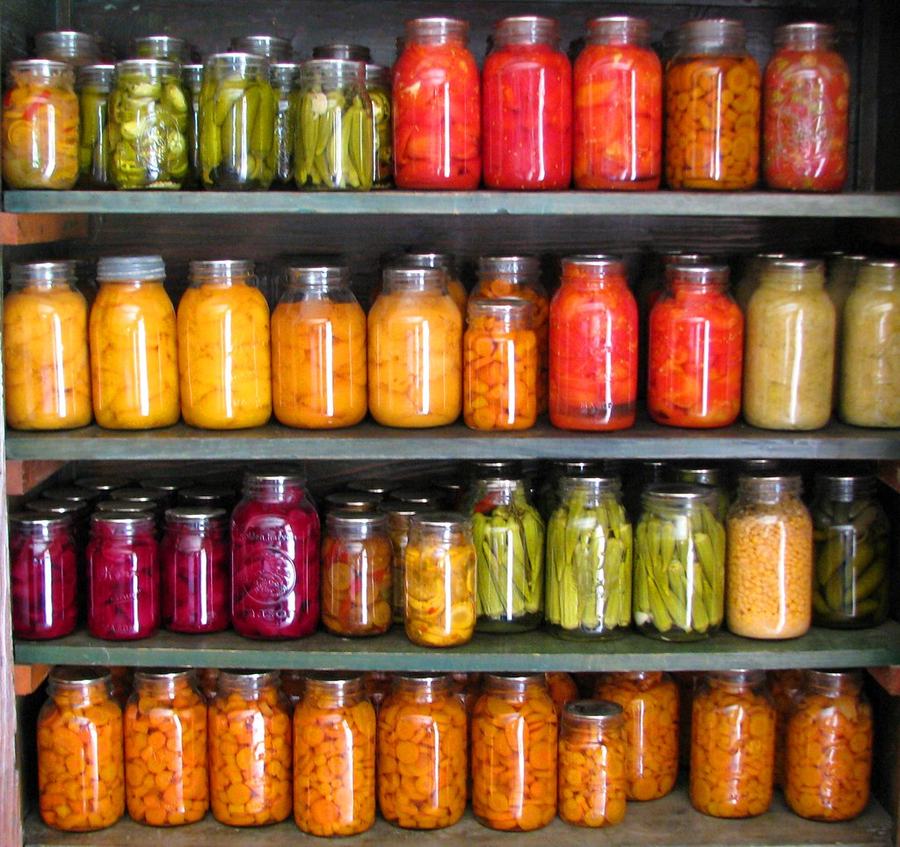
Canning is a great way to preserve your garden bounty and experience delicious harvested foods all year long.
The canning process removes oxygen; destroys enzymes; prevents the growth of undesirable bacteria, yeasts, and molds; and helps to form a high vacuum in jars. There are some risks to be aware of.
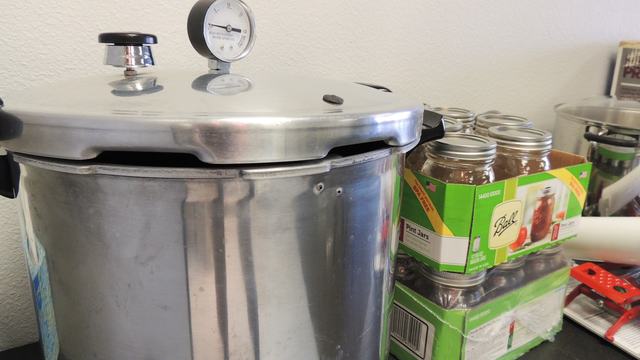
Low acid foods must be pressure canned at temperatures between 240 to 250°F. Because Clostridium Botulinum poses a risk when canning food, it is important to make sure you are using a tested recipe and testing your dial gauge annually.
Use a Tested Recipe
To ensure the safety of home food preservation, always follow a research-tested recipe. Below are trusted resources with evidence-based recipes and canning information :
National Center for Home Food Preservation (NCHFP) Provides current research-based recommendations for most methods of home food preservation.
USDA Complete Guide to Home Canning Provides research-tested recipes in addition to safe food preservation information.
-So Easy to Preserve Provides research-tested recipes on preserving food: canning, pickling, making jelly/jam, freezing and drying.
Ball Blue Book, up to the 100th edition. More than 75 tested-recipes, with tips for preserving.
Dial Gauge Testing
At the Extension Center, we test dial gauges from National, Magic Seal, Maid of Honor, and Presto® Pressure Canners.
Gauges that read high cause under-processing and may result in unsafe food. Gauges that read low cause over-processing. Pressure adjustments can be made if the gauge reads up to 2 pounds high or low, however gauges that differ by more than 2 pounds will need to be replaced.
Weighted canners do not need tested like dial gauge canners do. With all canners you should be checking to ensure your seal and parts are in good condition and replacing them when needed.
Make An Appointment today:
Call the N.C. Cooperative Extension, Cherokee County Center at 828-837-2210 x5 or email Marlana Baker, Extension Agent-Family & Consumer Sciences, at marlana_baker@ncsu.edu to request information or arrange a time for gauge testing. For your appointment, bring only your dial-gauge or pressure canner lid with gauge attached.